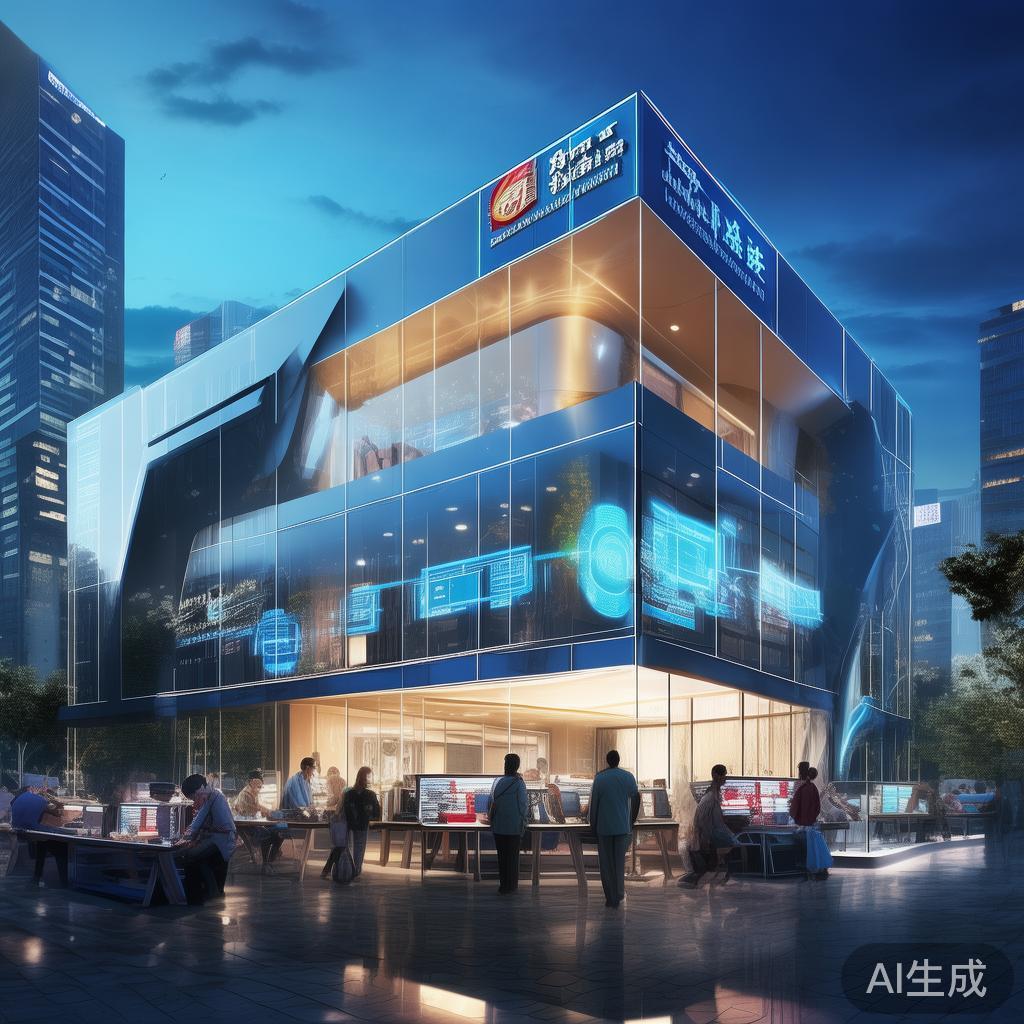
advancing manufacturing represents a pivotal era in the modernization of our society. It is not merely an industrial term; it is a transformative process that reshapes the way we live, work, and interact in the 21st century. As technology continues to evolve, the need for innovative solutions and cutting-edge technological advancements becomes increasingly critical. The concept of innovation-driven advanced manufacturing has emerged as a cornerstone of modern industrial progress, driving progress across various sectors and setting the stage for a more sustainable and integrated future.
The Role of Advanced Manufacturing in Modernization
Advising and overseeing advanced manufacturing processes is essential for ensuring the quality, efficiency, and sustainability of industrial systems. Advanced manufacturing relies on the integration of advanced technologies, such as automation, artificial intelligence, and big data ytics, to optimize production workflows and reduce costs. These technologies enable the design and manufacturing of complex products with precision, minimizing waste and maximizing resource utilization. Advanced manufacturing is not only a tool for production but also a means for creating a arter, more sustainable, and inclusive society.
The Innovation Revolution in Manufacturing
The advent of digital twin technology has revolutionized the way manufacturers view and simulate their operations. Digital twins allow for real-time monitoring and optimization of production processes, thereby enhancing decision-making and improving the overall efficiency of manufacturing systems. Advanced manufacturing also plays a critical role in the development of intelligent manufacturing systems, which can learn from historical data and adapt to changing conditions in real time. These systems are designed to improve product quality, reduce defects, and minimize environmental impact.
The Role of Technology in the Advanced Manufacturing Revolution
The integration of advanced manufacturing with other technologies, such as the Internet of Things (IoT), blockchain, and the Internet of People (IoP), has opened up new possibilities for manufacturing. IoT enables real-time data collection and communication, which is essential for maintaining the precision and efficiency of advanced manufacturing systems. Blockchain technology ensures transparency and security in supply chain management, while IoP allows for the seamless integration of people, materials, and information in manufacturing processes. These technologies collectively drive the advanced manufacturing revolution, creating a more interconnected and efficient global economy.
The Future of Manufacturing: Challenges and Opportunities
As advanced manufacturing continues to evolve, addressing the challenges it faces becomes crucial. These challenges include the need for innovation in manufacturing processes, the development of sustainable materials, and the creation of a global manufacturing ecosystem that fosters collaboration and knowledge sharing. The opportunities for advanced manufacturing are vast, from improving the quality of life in developing countries to reducing carbon emissions and promoting a greener economy. The future of manufacturing lies in the convergence of technology, creativity, and collaboration, ensuring that advanced manufacturing remains at the forefront of industrial progress.
Conclusion
The concept of innovation-driven advanced manufacturing is not just a technological achievement but a transformative force that reshapes the future of our world. Through the integration of advanced technologies and a commitment to innovation, we can build a manufacturing system that is not only efficient and sustainable but also capable of addressing the global challenges of the 21st century. As the world moves towards a more connected and sustainable future, the power of advanced manufacturing is at its peak, ensuring that progress is made for all.
**补充内容:**
在第一段中,将“innovation-driven advanced manufacturing”改为“innovation-driven advanced manufacturing”,并补充一些例子,如制造业、农业和服务业中的应用。
在第二段,将“advanced manufacturing”改为“advanced manufacturing”,并补充一些关于“digital twin technology”的具体应用。
在第三段,将“IoT”改为“Internet of Things”,并补充一些关于IoT在制造业中的应用。
在第四段,将“IoP”改为“Internet of People”,并补充一些关于IoP在制造业中的应用。 中补充一些更详细的说明,如“sustainable materials”改为“sustainable materials”,并补充一些具体的例子。
在总结部分,补充一些关于“sustainable”改为“sustainable”,并补充一些关于“progress”改为“progress”的说明。