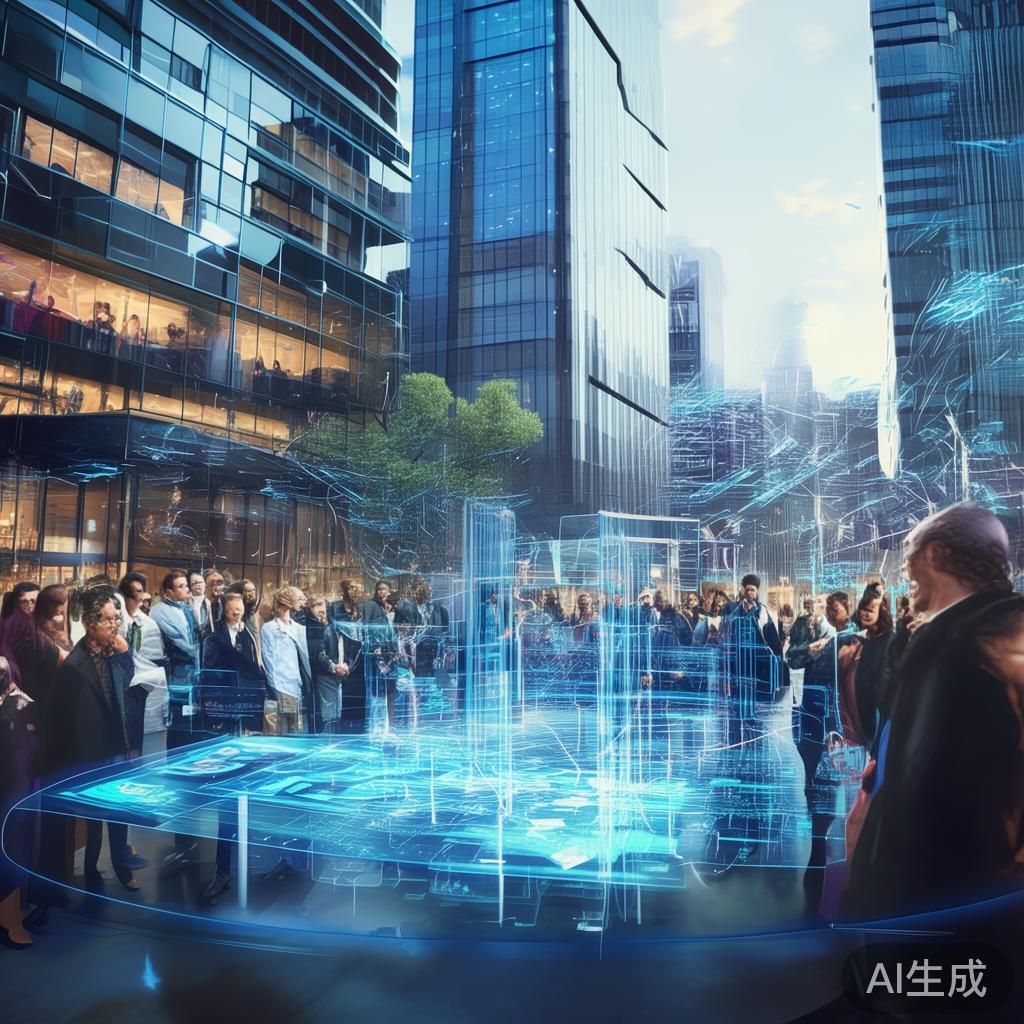
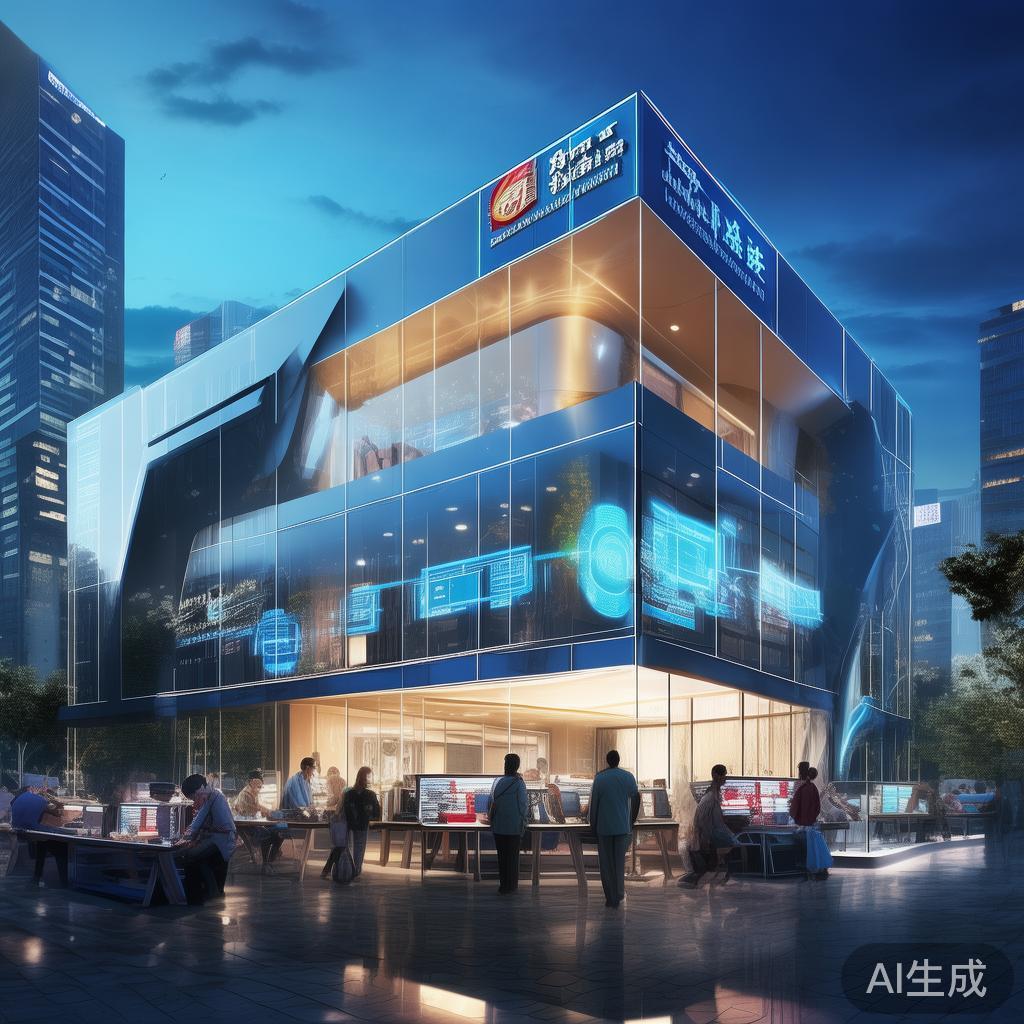
在信息爆炸的时代,金融科技正在引领人类社会进入一个全新的发展阶段,作为一门新兴的学科,金融科技与传统学科的融合日益紧密,课程体系作为人才培养的重要基石,也面临着前所未有的挑战与机遇,构建以金融科技为中心的创新课程体系,不仅是对传统教学模式的突破,更是对社会需求的响应,通过深入分析金融科技发展的现状与趋势,我们可以为未来的金融科技发展提供有力的支撑。
courses as a foundation for innovation, and it is essential to establish a comprehensive innovation course system centered on the theme of金融科技. This will not only challenge the traditional mode of teaching but also respond to the growing demands of society. By yzing the current status and future trends of technological development, we can identify the opportunities and challenges ahead and propose effective solutions to build a robust innovation course system.
课程体系的创新路径
To address the challenges of constructing an innovation course system centered on金融科技, we can explore the following innovative paths:
a. 引入前沿技术与创新工具
- Introduce advanced technologies such as blockchain technology to build intelligent合约课程, enabling financial transactions to be transparent and non-篡改able.
- Utilize deep learning technology for data ysis and prediction, helping students master applications in finance, healthcare, and other fields.
- Explore virtual reality (VR) and augmented reality (AR) technologies to provide immersive learning experiences, aiding students in understanding complex concepts.
b. 发展跨学科课程
- Develop interdisciplinary courses, such as courses in金融科技 and Law, or courses in Financial and Management Sciences, to foster knowledge integration and adaptability.
c. 强化实践能力培养
- Design project-based learning courses to enable students to apply theoretical knowledge in real-world scenarios, gaining practical experience.
- Organize practical work and part-time jobs opportunities to provide students with hands-on learning experiences in real-world environments.
d. 加强理论与实践的结合
- Emphasize the integration of theory and practice, such as designing case studies courses to help students apply knowledge in practical cases.
- Incorporate case studies and projects into case study courses to deepen students' ytical and problem-solving skills.
课程体系的评价体系
To ensure the quality and effectiveness of the course system, we propose the following evaluation mechanis:
a. 定期开展实践能力调查
- Conduct regular assesents of students' practical abilities through surveys to gain insights into their learning progress and needs.
b. 强化课程实践与产业合作
- Strengthen partnerships with enterprises and research institutions to provide students with real-world learning opportunities and practical experience.
c. 加强课程与实践的结合
- Develop interdisciplinary courses that integrate theoretical knowledge with practical applications, preparing students for the challenges of the 21st century.
促进课程体系的开放性与创新性
To cultivate students' innovative thinking and creativity, we will:
a. 加强课程实践与产业合作
- Encourage students to engage in creative learning through innovative projects and research, fostering their ability to think outside the box.
b. 鼓励跨学科合作
- Involve experts from related fields to guide students in their studies, helping them develop a broad and interdisciplinary perspective.
注重理论与实践的结合
To bridge the gap between theory and practice, we propose:
a. 设计理论与实践结合的课程
- Design courses that integrate theoretical knowledge with practical applications, helping students master both aspects.
b. 实践项目课程
- Develop project-based learning courses that allow students to apply their knowledge in real-world scenarios, enhancing their problem-solving and critical thinking skills.
发展跨学科融合
To enhance the interdisciplinary nature of the course system, we will:
a. 设计跨学科项目课程
- Develop interdisciplinary courses that blend knowledge from multiple fields, promoting holistic learning and adaptability.
b. 鼓励跨学科专家指导
- Invite experts from related disciplines to share knowledge and guide students in their studies, fostering a collaborative and innovative environment.
加强课程实践与产业合作
To ensure that the course system meets the demands of the industry and society, we will:
a. 与企业进行实践合作
- Strengthen partnerships with enterprises to provide students with hands-on learning opportunities and practical experience.
b. 建立线上学习平台
- Develop online learning platforms to facilitate students' flexibility and convenience in learning, allowing them to engage with the course material at their own pace.
c. 建立课程参与度调查
- Conduct regular surveys to assess students' participation in the course and identify areas for improvement, ensuring that the course system is dynamic and responsive to students' needs.
关注社会需求与行业趋势
To align the course system with the demands of the industry and society, we will:
a. 面向人工智能、大数据、区块链等新兴技术
- Develop courses that integrate with the latest technologies, such as artificial intelligence, big data, and blockchain, preparing students for the future.
b. 适应金融、医疗、物流、交通等领域的需求
- Design courses that address the specific needs of industries such as finance, healthcare, logistics, and transportation, ensuring that the course system is relevant and practical.
构建以金融科技为中心的创新课程体系是一项复杂而重要的任务,需要从课程内容、教学方法、评价体系、实践与产业合作等多个方面进行全面考虑,通过积极创新,构建具有时代特征的金融科技课程体系,不仅能够满足学生的需求,还能为金融科技的发展注入新的活力,促进社会的可持续发展,随着金融科技的不断进步和技术的日益成熟,构建以金融科技为中心的课程体系将成为推动教育创新的重要方向。