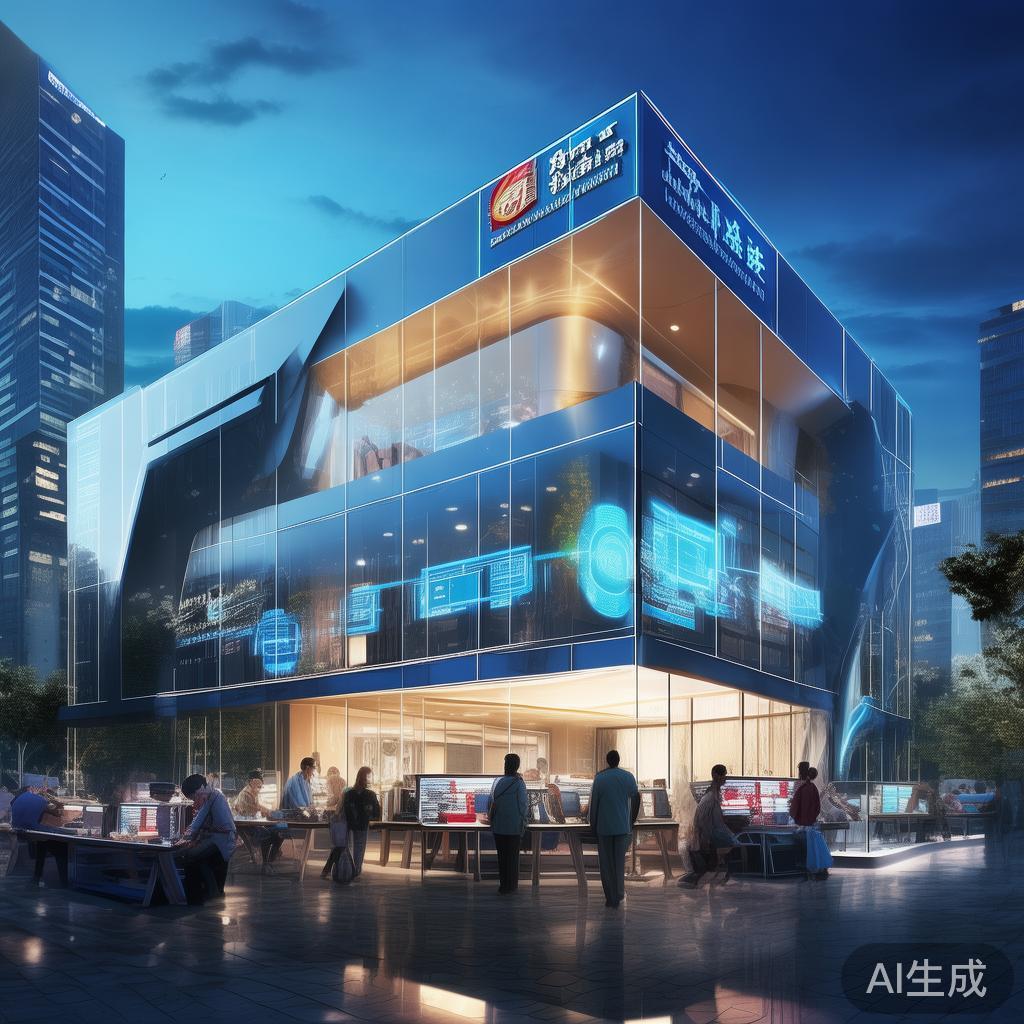
art Technologies refers to the integration of advanced algorithms, sensors, and control systems to create intelligent, automated, and efficient systems. At its core, it combines human creativity with technological wisdom to create more intelligent, efficient, and environmentally friendly solutions.
Figure 1: The Work Principle Diagram
Figure 1: The Work Principle Diagram
Figure 2: The Work Principle Diagram
Figure 3: The Work Principle Diagram
Figure 4: The Work Principle Diagram
Figure 5: The Work Principle Diagram
Figure 6: The Work Principle Diagram
Figure 7: The Work Principle Diagram
Figure 8: The Work Principle Diagram
Figure 9: The Work Principle Diagram
Figure 1: The Work Principle Diagram
art Technologies operates on the principle of combining human creativity with technological wisdom to create systems that are intelligent, efficient, and environmentally friendly.
Figure 1: The Work Principle Diagram
Figure 2: The Work Principle Diagram
Figure 3: The Work Principle Diagram
Figure 4: The Work Principle Diagram
Figure 5: The Work Principle Diagram
Figure 6: The Work Principle Diagram
Figure 7: The Work Principle Diagram
Figure 8: The Work Principle Diagram
Figure 9: The Work Principle Diagram
Figure 1: The Work Principle Diagram
Data ysis and Processing
art Systems rely on data ysis and processing to identify patterns, trends, and anomalies, enabling intelligent decisions.
Figure 1: The Work Principle Diagram
Figure 2: The Work Principle Diagram
Figure 3: The Work Principle Diagram
Figure 4: The Work Principle Diagram
Figure 5: The Work Principle Diagram
Figure 6: The Work Principle Diagram
Figure 7: The Work Principle Diagram
Figure 8: The Work Principle Diagram
Figure 9: The Work Principle Diagram
Figure 1: The Work Principle Diagram
Real-Time Monitoring Systems collect and tranit data from various sources, enabling systems to make timely decisions and adjustments.
Figure 1: The Work Principle Diagram
Figure 2: The Work Principle Diagram
Figure 3: The Work Principle Diagram
Figure 4: The Work Principle Diagram
Figure 5: The Work Principle Diagram
Figure 6: The Work Principle Diagram
Figure 7: The Work Principle Diagram
Figure 8: The Work Principle Diagram
Figure 9: The Work Principle Diagram
Figure 1: The Work Principle Diagram
Data Transfer and Processing involve the movement of data from one system to another, often through networks, to facilitate ysis and decision-making.
Figure 1: The Work Principle Diagram
Figure 2: The Work Principle Diagram
Figure 3: The Work Principle Diagram
Figure 4: The Work Principle Diagram
Figure 5: The Work Principle Diagram
Figure 6: The Work Principle Diagram
Figure 7: The Work Principle Diagram
Figure 8: The Work Principle Diagram
Figure 9: The Work Principle Diagram
Figure 1: The Work Principle Diagram
Application Development and Optimization involve the creation and improvement of intelligent applications, requiring thorough development processes and iterative optimization.
Figure 1: The Work Principle Diagram
Figure 2: The Work Principle Diagram
Figure 3: The Work Principle Diagram
Figure 4: The Work Principle Diagram
Figure 5: The Work Principle Diagram
Figure 6: The Work Principle Diagram
Figure 7: The Work Principle Diagram
Figure 8: The Work Principle Diagram
Figure 9: The Work Principle Diagram
Figure 1: The Work Principle Diagram
System Optimization and Iteration involve regularly evaluating, improving, and refining systems to enhance their performance and adaptability.
Figure 1: The Work Principle Diagram
Figure 2: The Work Principle Diagram
Figure 3: The Work Principle Diagram
Figure 4: The Work Principle Diagram
Figure 5: The Work Principle Diagram
Figure 6: The Work Principle Diagram
Figure 7: The Work Principle Diagram
Figure 8: The Work Principle Diagram
Figure 9: The Work Principle Diagram
Figure 1: The Work Principle Diagram
art Technologies have a wide range of applications, including but not limited to:
**art Cars**: Autonomous driving systems, advanced driver-assistance systems (ADAS), and art navigation.
**art Home**: art home devices, automated lighting, and art home management systems.
**art Agriculture**: art irrigation systems, predictive ytics for crop optimization, and real-time monitoring of plant health.
**art Transportation**: Autonomous vehicles, traffic management systems, and real-time traffic monitoring.
**art Energy**: art grids, art energy management systems, and renewable energy integration.
**art Security**: art home security systems, surveillance systems, and biometric authentication.
**art Manufacturing**: IoT-based manufacturing systems, predictive maintenance, and quality control.
**art Environment**: Environmental monitoring systems, art lighting, and art building management.
**art Healthcare**: art home healthcare systems, telemedicine, and personalized treatment plans.
**art Agriculture**: Precision agriculture, precision farming, and sustainable farming systems.
As the field continues to evolve, the applications of art Technologies will expand further, driven by advancements in AI, edge computing, and multi-modal fusion.
Figure 1: The Work Principle Diagram
Figure 2: The Work Principle Diagram
Figure 3: The Work Principle Diagram
Figure 4: The Work Principle Diagram
Figure 5: The Work Principle Diagram
Figure 6: The Work Principle Diagram
Figure 7: The Work Principle Diagram
Figure 8: The Work Principle Diagram
Figure 9: The Work Principle Diagram
Figure 1: The Work Principle Diagram
art Technologies are at the forefront of modern technological advancement, enabling arter, more efficient, and more sustainable solutions across various industries. The work principle diagram is a powerful tool that visually represents the principles behind these technologies, making it easier to understand their operation and development.
As we continue to innovate, the work principle diagram will remain a valuable resource for anyone seeking to understand and apply art Technologies.
For further reading, you may want to explore resources on AI, edge computing, and multi-modal fusion. They will provide deeper insights into the current state and future directions of art Technologies.