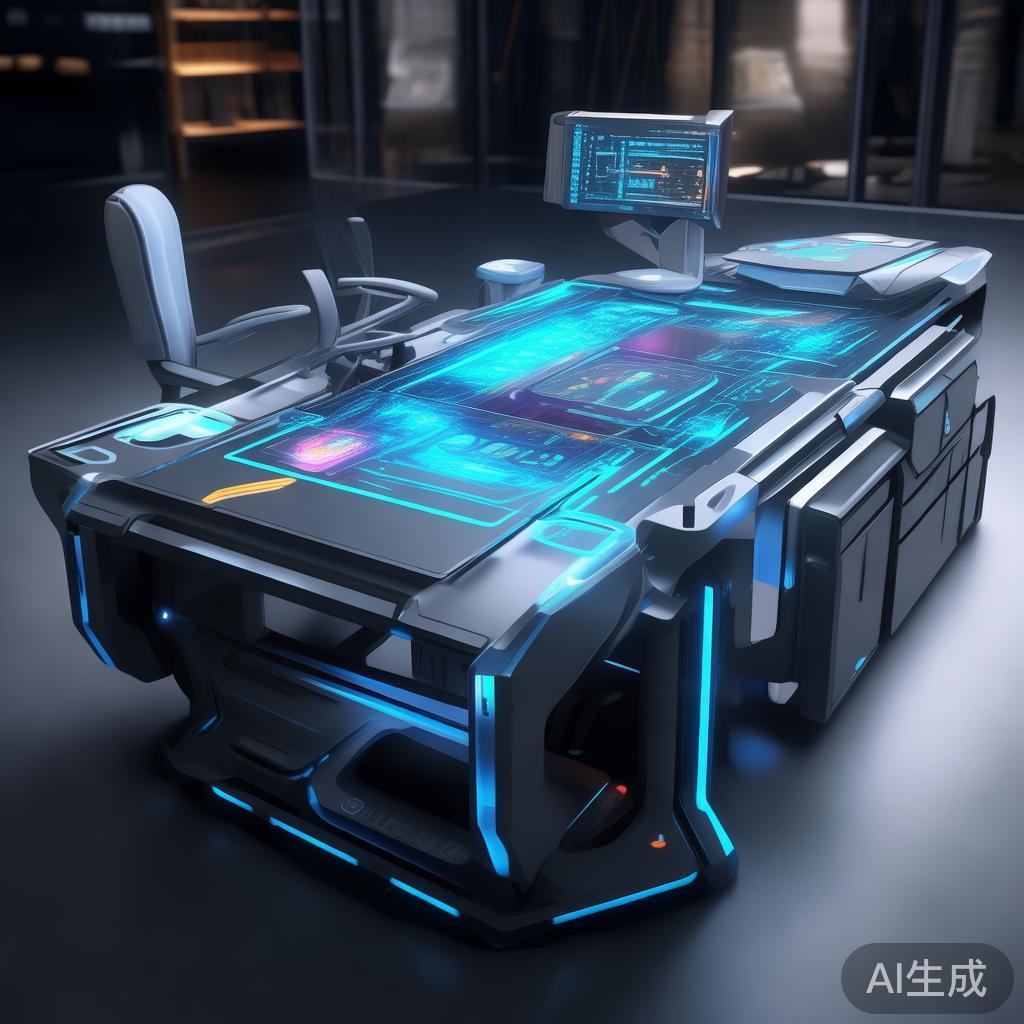
在 today's digital age, computers have become our lifeline, serving us in everything from work to entertainment to learning. Yet, the way we interact with them has evolved dramatically, with computers now capable of far more than ever before. One of the most fascinating aspects of our digital world is the revolution of computers' desktops, where the physical surface of the screen is not merely a display of information, but a living laboratory of innovation. desktops have become more than just displays; they are now spaces where technology meets design. The surfaces of these devices are not just about information; they are about the principles of engineering, creativity, and human interaction. From the way we type and write to the way we browse the internet, the desktop interface is constantly evolving. One of the earliest and most significant changes in desktop design is the emergence of touchscreens, particularly the touchpad. This innovation has led to the development of intuitive input methods, such as the on-screen keyboard, which allows users to perform tasks without physical interaction. Additionally, the development of touch displays has made it possible to view information on a larger scale, enhancing the user experience. Another notable advancement is the use of augmented reality (AR) and virtual reality (VR) in desktops. These technologies allow users to interact with virtual objects, real-time video, or even complete tasks virtually. For instance, computer games and simulations now often include AR features that enhance the player's experience, making them more immersive and engaging. As technology continues to advance, the design of desktops will also be shaped by cutting-edge innovations. One of the most exciting trends is the integration of artificial intelligence (AI) into the design process. By leveraging AI, designers can create more personalized and intuitive interfaces, reducing the need for manual tweaking and experimentation. Another innovation is the use of machine learning to optimize desktop layouts. By yzing user behavior and preferences, companies can create desktop configurations that maximize productivity and minimize distractions. This is particularly relevant in the fast-paced world of modern work, where efficiency is paramount. The rise of augmented reality (AR) and virtual reality (VR) in desktops also opens up new possibilities for creativity. Users can now create and share virtual art pieces, or even design and test products virtually. This not only speeds up the design process but also allows for more creative and innovative outcomes. Despite these advancements, there are still challenges in the design of desktops. How to balance its practical usability with its aesthetic appeal remains a global problem. Designers must ensure that desktops can still meet basic user needs while maintaining a modern, stylish appearance. How to address increasingly complex tasks, such as remote work, collaboration, and learning, will be crucial for the future of desktop design. These tasks demand greater flexibility and adaptability, making desktop design need to be more dynamic and responsive to user demands. How to create interfaces that evoke and engage users' preferences and needs is another critical direction. Designers must focus on creating intuitive and user-friendly experiences. In the future, desktop design will become more integrated with technology, with advancements in AI, AR, and VR reshaping the design process. Companies will need to continuously learn and adapt to these new technologies to design desktops that remain both functional and visually appealing. Desk design will also become more diverse, offering a range of dimensions, colors, materials, and features to cater to different user preferences. This diversity will make desktops more appealing and user-friendly. Moreover, desktop design will prioritize sustainability and environmental responsibility, adopting more energy-efficient and recycled materials. This will not only reduce our carbon footprint but also align with global efforts to combat climate change. By embracing these advancements, desktops will become more intelligent, personalized, and dynamic, providing a richer and more engaging experience for users. As technology continues to evolve, desktop design will become an essential tool in the digital world, shaping how we interact with computers and the devices we use. Let's look forward to the future where desktop design is as advanced and beautiful as we are, creating a more美好的 tomorrow for everyone.